
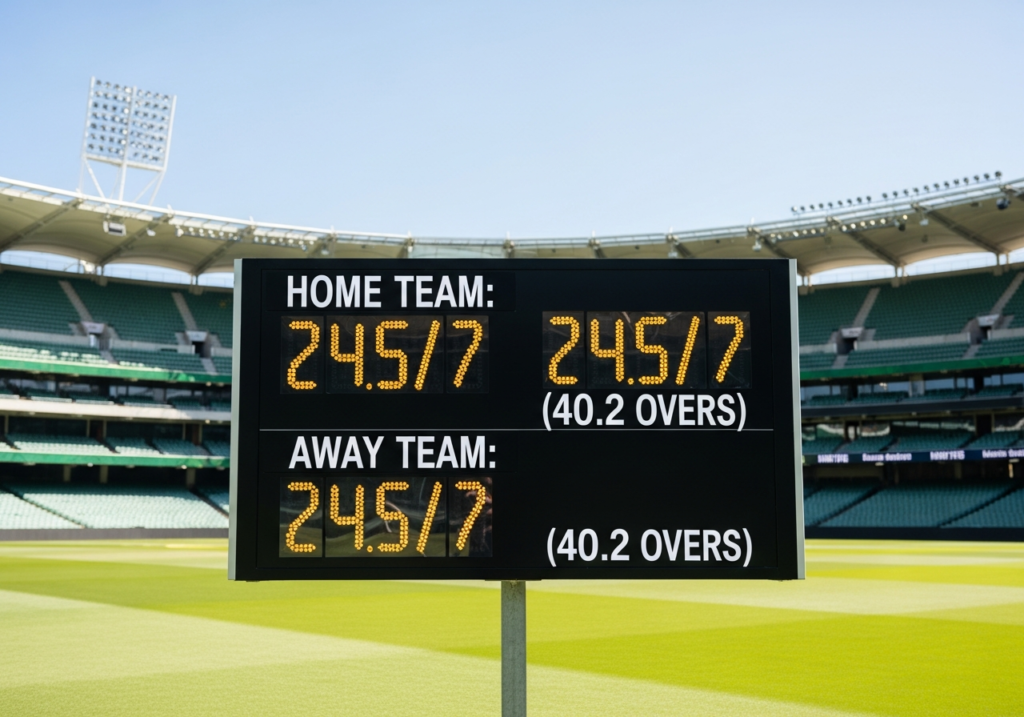
When Rajasthan Royals faced Kolkata Knight Riders in IPL 2014, both teams scored identical totals of 152 runs, creating a rare tie scenario. Betfair India immediately voided all match odds bets, refunding stakes to punters who had backed either team to win. This exemplifies how cricket tie rules can dramatically impact Indian betting markets, where void conditions protect bookmakers from uncertain outcomes.
Cricket ties are increasingly common in the IPL and T20 formats, where matches often proceed to super overs for decisive results. However, most betting platforms void match odds unless a specific tie option was offered at betting time. The 80% overs completion rule further complicates matters, as rain-affected matches may void entirely regardless of tie scenarios. Understanding these variations across T20, ODI, and Test formats is crucial for Indian cricket bettors navigating void bet conditions.
General Void Rules for Cricket Ties
Cricket betting void rules fundamentally depend on whether bookmakers offer a specific tie option in their match odds markets. When no tie price is available, all match winner bets become void if teams finish with identical scores, protecting operators from settling unclear outcomes. This standard applies across most Indian betting platforms, though individual terms may vary significantly.
The distinction between ties and draws creates additional complexity in cricket betting markets. Ties occur when both teams complete their innings with equal scores, while draws result from unfinished matches due to time constraints or weather interruptions. Limited overs formats rarely produce draws, making ties the primary concern for ODI and T20 betting.
Betfair India specifically voids match odds on all cricket ties, following exchange betting principles where clear winners must emerge for proper settlement. This policy extends to both domestic Indian competitions and international matches, ensuring consistent void conditions regardless of tournament prestige or betting volume.
Tie vs Draw in Betting
- Tie Definition: Both teams score exactly equal runs after completing their allocated innings
- Draw Classification: Match remains unfinished due to external factors like weather or bad light
- Settlement Impact: Ties void match odds unless tie option offered; draws typically void all bets
- Format Frequency: Ties common in T20/ODI formats; draws exclusive to Test cricket
- Super Over Distinction: Post-tie eliminator may create winner but original tie often still voids initial bets
Impact of Super Overs
Super overs create betting confusion as they occur after the official match has ended in a tie. Most bookmakers void pre-match bets based on the tied regular result, regardless of subsequent super over outcomes. However, some platforms offer specific super over markets or settle match odds based on the final winner after elimination.
Indian cricket betting sites increasingly specify super over policies in their terms, with many following international precedents that treat elimination phases separately from main match betting. This approach protects both operators and punters from unexpected rule interpretations during high-stakes matches.
Match Odds Betting on Ties
| Bookmaker | Tie Rule | Void Condition | Exception |
|---|---|---|---|
| Betfair India | Automatic Void | All ties regardless of format | None – stakes always refunded |
| Paddy Power | Dead Heat | Only when tie option absent | Test match ties pay half stakes |
| Bet365 | Conditional Void | No tie price offered | Super over winner may settle |
| DraftKings | Market Dependent | Varies by competition | IPL ties follow BCCI guidelines |
| Local Indian Sites | Exchange Model | Follow Betfair precedent | Platform-specific variations |
Why Match Odds Void
Match odds markets fundamentally require a clear winner for proper settlement, following traditional betting principles where ties create ambiguous outcomes. When bookmakers offer only two options (Team A vs Team B), ties fall outside the available betting parameters, necessitating automatic void conditions to maintain market integrity.
Indian cricket betting regulations support this approach, recognizing that unclear match results should not disadvantage either operators or punters through arbitrary settlement decisions. The void protection ensures fair treatment while encouraging bookmakers to offer comprehensive markets including tie options when appropriate.
T20 and IPL Tie Rules
- Verify Match Completion: Both teams must complete minimum 80% of allocated overs unless all wickets fall
- Confirm Equal Scores: Total runs including extras must be identical after both innings conclude
- Check Void Conditions: Most platforms immediately void match odds upon confirming tie scenario
- Super Over Procedure: Teams proceed to elimination phase but original match bets typically remain voided
- Settlement Timeline: Betfair India refunds stakes within 24 hours of official tie confirmation
- Alternative Markets: Player props and specific tie bets may still settle normally despite match odds void
IPL-Specific Examples
| Season | Match | Tied Score | Betting Outcome |
|---|---|---|---|
| IPL 2014 | RR vs KKR | 152/9 | All match odds voided |
| IPL 2019 | MI vs SRH | 162/5 | Void despite super over |
| IPL 2020 | KXIP vs MI | 176/6 | Stakes refunded on Betfair |
80% Overs Rule Impact
The minimum overs completion requirement significantly affects IPL tie scenarios, as rain interruptions or time constraints may void entire matches before tie conditions even apply. Betfair India requires both teams to face at least 16 overs in T20 formats for any settlement, meaning abbreviated matches cannot produce valid ties.
This rule protects against artificial tie scenarios in severely shortened games while ensuring fair betting outcomes. Indian betting platforms consistently apply this standard across domestic T20 competitions, creating predictable void conditions for weather-affected matches regardless of eventual score relationships.
ODI Tie Void Conditions
One Day International cricket requires a minimum of 45 overs per team for match completion, creating stricter void conditions than T20 formats. Rain-reduced ODI matches often fall below this threshold, automatically voiding all betting markets regardless of whether teams achieve equal scores in abbreviated play.
Duckworth-Lewis-Stern method calculations add complexity to ODI tie scenarios, as revised target scores may create ties that exist only under DLS parameters rather than natural scoring progression. Most Indian betting platforms void such artificial ties unless the match reaches its natural conclusion without weather intervention or calculation adjustments.
Weather and D/L Impact
- Advantages: DLS ensures fair targets in weather-affected matches, maintains competitive balance, provides clear mathematical framework
- Disadvantages: Creates artificial tie scenarios, complicates betting settlement, may not reflect actual team performance
- Betting Risk: DLS-calculated ties typically void all match odds regardless of mathematical accuracy
- Platform Response: Most Indian sites treat DLS ties identically to rain-abandoned matches for void purposes
- Punter Protection: Automatic refunds prevent disputes over complex mathematical tie scenarios
Test Match Ties and Draws
| Format | Min Overs | Tie Rule | Void Trigger |
|---|---|---|---|
| Test Match | 200 total overs | Dead heat or void | Under 200 overs played |
| First Class | 150 total overs | Usually dead heat | Insufficient play time |
| County Championship | 100 total overs | Platform dependent | Weather abandonment |
| Ranji Trophy | 200 total overs | Follow Test rules | Rain/bad light stoppage |
Dead Heat Rules
Test cricket ties occasionally result in dead heat settlements rather than automatic voids, particularly on platforms offering traditional betting approaches. Dead heat rules divide winning stakes by the number of tied outcomes, so a two-way tie pays half the normal return on successful bets.
This settlement method recognizes that Test matches reaching natural conclusions deserve different treatment than abbreviated games, even when final scores remain equal. However, most Indian cricket betting sites prefer void policies to avoid complex dead heat calculations and potential customer confusion.
India Test Betting
Border-Gavaskar Trophy and other Test series involving India rarely produce ties due to the format’s extended playing time and strategic approaches. When ties do occur, Indian betting platforms typically void match odds following international precedents, though some may offer dead heat settlements for completed matches meeting minimum overs requirements.
The rarity of Test ties makes specific rule interpretation less critical for regular punters, but understanding platform policies remains important for series betting and long-term cricket wagering strategies involving Indian Test cricket.
Player Prop Bets on Ties
- Participation Requirement: Top batsman/bowler markets void if the nominated player doesn’t participate in match action
- Single Ball Rule: Most player prop bets stand once the player faces or bowls at least one delivery
- Performance Markets: Total runs/wickets bets typically settle normally regardless of match tie outcome
- Head-to-Head Props: Player versus player bets may void if neither participant plays meaningful role
- Innings-Specific Bets: First innings props settle independently of overall match result or tie scenario
- Method of Dismissal: Specific dismissal bets void if the batsman remains not out in tied match
- Strike Rate Markets: Minimum balls faced requirements still apply for settlement in tied games
Common Voids
| Market | Tie Impact | Void Yes/No |
|---|---|---|
| Next Man Out | No wickets fall in innings | Yes – automatic void |
| Top Team Batsman | Player scores highest for team | No – settles normally |
| Match Winner Runs | No clear winning team | Yes – no winner exists |
| Player Total Runs | Individual performance measurable | No – based on actual runs |
| Winning Margin | Zero margin in tie scenario | Yes – no margin possible |
Bookmaker Variations in India
| Platform | Tie Void | Overs Rule | Super Over |
|---|---|---|---|
| Betfair Exchange India | Always void | 80% minimum T20 | Separate markets only |
| Indian Local Sites | Follow exchange model | Standard minimums | Usually ignored |
| International Operators | Platform dependent | ICC guidelines | May settle matches |
| Regional Apps | Inconsistent policies | Variable enforcement | Limited coverage |
| Fantasy Sports Platforms | Score-based settlement | Flexible requirements | Include all phases |
| Cryptocurrency Books | Smart contract rules | Automated triggers | Coded parameters |
Betfair India Specifics
Betfair Exchange India maintains the strictest void policies for cricket ties, automatically refunding all match odds stakes regardless of match circumstances or super over outcomes. This approach reflects exchange betting principles where matched bets require clear winning and losing sides for proper settlement.
The platform’s automated systems immediately identify tied match results and begin refund processes without manual intervention, typically completing stake returns within 24 hours of official result confirmation. This efficiency has made Betfair India a preferred choice for cautious cricket bettors seeking predictable void protections in tie scenarios.
Regional Platform Differences
Indian regional betting apps often lack comprehensive tie void policies, creating inconsistent outcomes for punters using multiple platforms. Some regional operators attempt to settle ties through manual review processes, potentially leading to disputes and delayed resolutions compared to established international standards.
Understanding these variations becomes crucial for serious cricket bettors operating across multiple Indian platforms, as identical tie scenarios may produce different settlement outcomes depending on operator policies and technical capabilities for handling edge cases in match results.
Avoiding Bet Voids on Ties
- Review Platform Rules: Check specific tie void policies in betting terms before placing any cricket match odds wagers
- Seek Tie Options: Look for bookmakers offering three-way markets including tie selections to avoid automatic voids
- Utilize Cash-Out Features: Monitor live matches for tie potential and cash out match odds bets before final overs if tie seems likely
- Focus Player Props: Emphasize individual performance markets that settle independently of match result ties
- Understand Format Risks: Recognize T20/IPL higher tie probability compared to longer format cricket when planning betting strategies
- Monitor Weather Conditions: Rain threats increase void risks beyond just tie scenarios, affecting overall betting value
Platform Checklist
| Feature | Check Point | Risk Level |
|---|---|---|
| Tie Void Policy | Written in terms and conditions | High if unclear |
| Three-Way Markets | Tie option available for betting | Low void risk |
| Cash-Out Feature | Available during live play | Risk mitigation |
| Minimum Overs Rules | Clearly defined thresholds | Medium weather risk |
| Super Over Treatment | Policy for elimination phases | Format dependent |